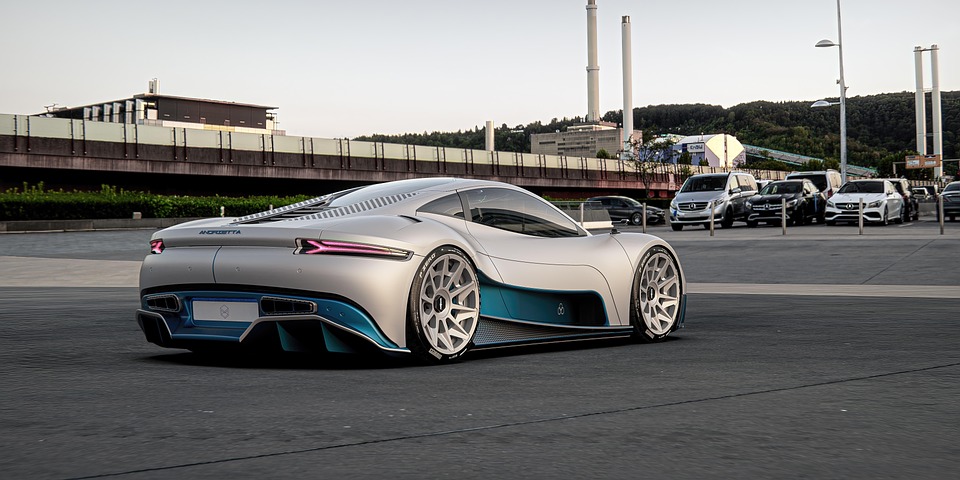
Nissan has been at the forefront of the electric car revolution for over a decade now. With their vision of zero-emission mobility, the Japanese automaker has made significant strides in developing electric vehicles (EVs) and building a comprehensive infrastructure to support their adoption. Let’s take a closer look at Nissan’s electric car strategy and how they plan to shape the future of transportation.
One of Nissan’s most notable contributions to the electric car market is the Nissan LEAF, which stands as the world’s best-selling electric vehicle. Since its launch in 2010, the LEAF has become synonymous with affordable, reliable, and environmentally-friendly transportation. Its success is a testament to Nissan’s commitment to electric mobility and their ability to produce a highly competitive EV for the mass market.
Nissan’s electric car strategy revolves around three core pillars: electrification, intelligent mobility, and sustainability. Under the electrification pillar, Nissan aims to expand their electric vehicle lineup and introduce more models to cater to different consumer preferences and needs. They have already made progress in this area with the release of the Nissan Ariya, an all-electric SUV that boasts impressive range and cutting-edge technology.
Intelligent mobility is another crucial aspect of Nissan’s strategy. The company is leveraging advancements in connectivity, artificial intelligence, and autonomous driving to create a seamless and personalized driving experience. Their ProPILOT Assist technology, for instance, enables semi-autonomous driving on highways, reducing driver fatigue and making long journeys more comfortable. Nissan’s commitment to intelligent mobility aligns with their goal of making electric vehicles more accessible and convenient for all.
Sustainability is a key driver of Nissan’s electric car strategy. They recognize that reducing greenhouse gas emissions is essential to combat climate change and improve air quality. Nissan is actively working on reducing the carbon footprint of their vehicles by adopting sustainable practices throughout the production process. They are also exploring innovative solutions such as vehicle-to-grid integration, where EVs can not only draw power from the grid but also feed electricity back into it, contributing to a more efficient and stable energy system.
In addition to developing electric vehicles, Nissan is focused on building a robust charging infrastructure to support the widespread adoption of EVs. They are partnering with governments, utility companies, and other stakeholders to expand the network of charging stations, making it more convenient for EV owners to charge their vehicles on the go. Nissan’s commitment to infrastructure development is crucial in addressing range anxiety, one of the major barriers to electric vehicle adoption.
Nissan’s electric car strategy extends beyond just personal transportation. They are also actively exploring opportunities in the commercial and public transportation sectors. The Nissan e-NV200, an all-electric van, is a prime example of their efforts to electrify commercial fleets and reduce emissions in urban areas. Furthermore, Nissan is collaborating with cities around the world to implement electric taxi and car-sharing programs, promoting sustainable mobility solutions on a broader scale.
As Nissan continues to push the boundaries of electric mobility, they are also investing in research and development to improve battery technology. The development of more efficient and cost-effective batteries is crucial for increasing the range and affordability of electric vehicles. Nissan, in collaboration with their partner Renault, has established the Alliance Ventures fund to support startups and innovative companies in the field of electric vehicle technologies.
In conclusion, Nissan’s electric car strategy is centered around electrification, intelligent mobility, and sustainability. With their industry-leading EV, the Nissan LEAF, and the introduction of new models like the Ariya, Nissan is making electric vehicles more accessible and appealing to a wider audience. By investing in infrastructure, sustainable practices, and advanced technologies, Nissan is actively shaping the future of zero-emission mobility. As we move towards a more sustainable and environmentally-conscious transportation system, Nissan’s electric car strategy serves as a shining example of how automakers can lead the way towards a greener future.