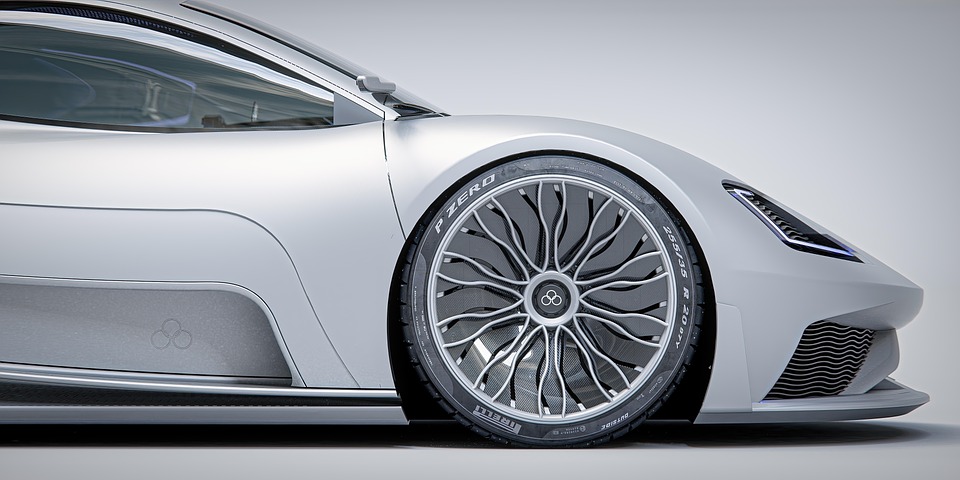
As concerns about climate change and the need for sustainable transportation options continue to grow, electric vehicles (EVs) have gained significant popularity in recent years. One of the leading players in the EV market is BYD, a Chinese automaker that has made a name for itself with its range of electric cars. In this article, we will compare the performance and efficiency of BYD electric cars with traditional gasoline vehicles to determine whether they are a viable alternative.
Performance:
When it comes to performance, one might assume that gasoline vehicles have the upper hand. After all, they have been around for over a century and have undergone significant advancements in power and speed. However, BYD electric cars have proven to be quite competitive in terms of performance.
Electric vehicles, including BYD models, are known for their instant torque delivery, which provides quick acceleration. This is due to the nature of electric motors, which produce maximum torque from the moment they start spinning. In contrast, gasoline vehicles require some time to build up torque, resulting in a slight delay in acceleration.
Moreover, BYD electric cars have shown impressive top speed capabilities, comparable to their gasoline counterparts. For example, the BYD Tang EV, a popular SUV model, boasts a top speed of around 120 mph, which is more than sufficient for most driving needs.
Efficiency:
When it comes to efficiency, there is no doubt that electric vehicles have a significant advantage over gasoline vehicles. Internal combustion engines, found in traditional gasoline cars, are notorious for their inefficiency. They waste a substantial amount of energy in the form of heat and friction, resulting in lower fuel economy.
On the other hand, electric motors used in BYD electric cars are much more efficient. They convert a higher percentage of energy from the battery into useful work, resulting in better energy efficiency. This means that electric cars can travel more miles per unit of energy consumed, significantly reducing the cost of operating the vehicle.
Moreover, BYD electric cars have made significant strides in battery technology, allowing for longer driving ranges. The BYD Han EV, for instance, boasts an impressive range of over 375 miles on a single charge. This eliminates the range anxiety associated with early electric vehicles and makes them much more practical for everyday use.
Conclusion:
When comparing BYD electric cars with traditional gasoline vehicles in terms of performance and efficiency, it is clear that electric vehicles have come a long way and are now a viable alternative. BYD electric cars deliver impressive performance, with instant torque delivery and competitive top speeds. Furthermore, their exceptional energy efficiency and long driving ranges make them a practical choice for everyday use.
While there are still challenges to overcome, such as the availability of charging infrastructure and the initial higher cost of electric vehicles, the benefits they offer in terms of sustainability and reduced operating costs cannot be ignored. As technology continues to advance and more people embrace electric vehicles, the future looks bright for BYD and the electric car industry as a whole.