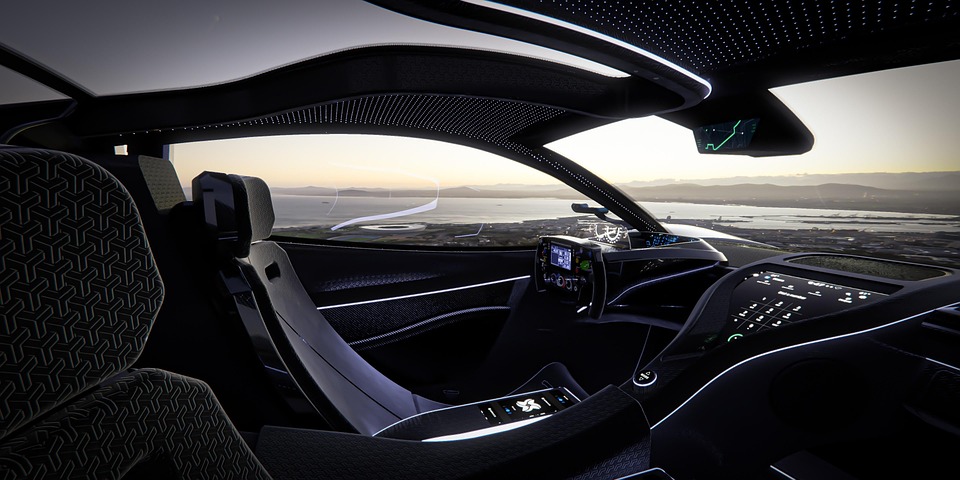
Toyota has long been a leader in the automotive industry, known for its commitment to innovation and sustainability. As the world shifts towards a greener future, Toyota has taken bold steps to develop electric vehicles (EVs) that not only reduce carbon emissions but also provide a seamless driving experience.
One of Toyota’s most significant contributions to the EV market is the introduction of its electric vehicle platform, known as e-TNGA. This platform serves as the foundation for a wide range of EV models, allowing Toyota to create vehicles tailored to different customer needs and preferences. By utilizing this flexible platform, Toyota can optimize vehicle design, battery placement, and overall performance, resulting in more efficient and capable EVs.
A major challenge for EVs has been limited driving range and long charging times. However, Toyota has made significant strides in addressing these concerns. The company’s next-generation solid-state batteries are poised to revolutionize the EV industry. These batteries offer higher energy density, faster charging times, and improved safety compared to traditional lithium-ion batteries. With this technology, Toyota aims to increase the driving range of its EVs while reducing charging times, making them more convenient and accessible for everyday use.
In addition to advanced battery technology, Toyota is also exploring innovative charging solutions. The company is investing in wireless charging technology, which allows EVs to be charged simply by parking over a charging pad. This technology eliminates the need for physical connectors and cables, enhancing the convenience and ease of charging an electric vehicle. This wireless charging system is expected to be available in Toyota’s future EV models, providing a hassle-free charging experience for customers.
Toyota’s commitment to sustainability extends beyond the development of EVs. The company is also taking significant steps to reduce the environmental impact of its manufacturing processes. Toyota has invested in renewable energy sources, such as solar and wind power, to power its production facilities. By embracing renewable energy, Toyota aims to reduce its carbon footprint and create a more sustainable supply chain for its electric vehicles.
Furthermore, Toyota is actively engaged in the development of hydrogen fuel cell vehicles (FCVs). These vehicles use hydrogen as fuel, emitting only water vapor as a byproduct. Toyota’s Mirai is a prime example of its commitment to FCVs. The Mirai offers a driving range comparable to traditional gasoline-powered vehicles and can be refueled in just a few minutes. Toyota is working to expand the availability of hydrogen refueling stations, making FCVs a viable and eco-friendly option for consumers.
As the world transitions to a greener future, Toyota’s electric vehicle innovations are driving the industry forward. Through the development of advanced battery technology, wireless charging solutions, and a commitment to renewable energy, Toyota is revolutionizing the EV market. By offering a wide range of EV models and exploring alternative fuel options like hydrogen, Toyota is providing customers with sustainable mobility solutions that cater to their diverse needs. With Toyota leading the way, a greener future is within our reach.