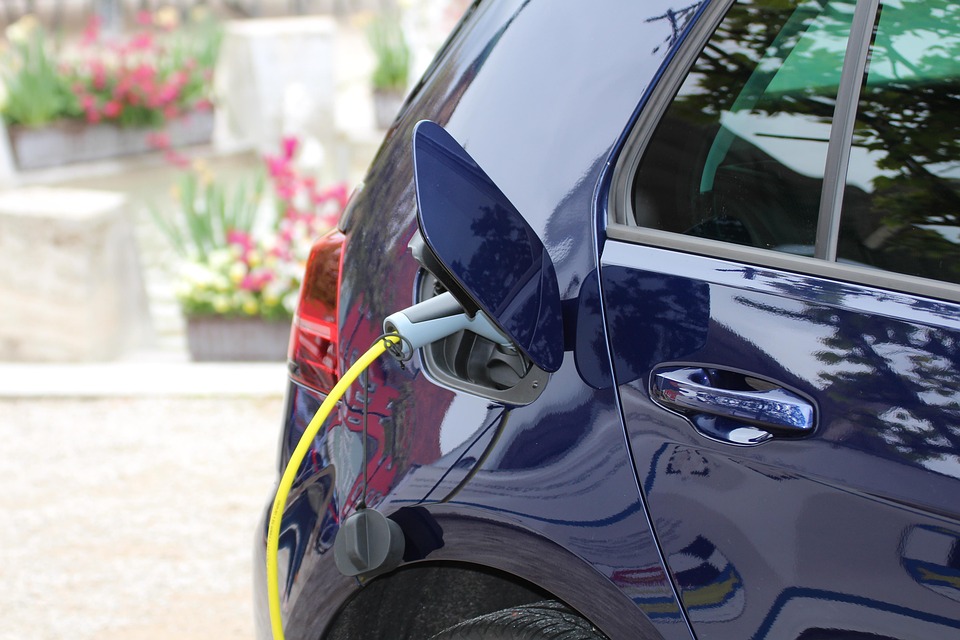
In recent years, there has been a growing concern about the impact of traditional combustion engines on the environment. As governments around the world set ambitious targets to reduce carbon emissions, automobile manufacturers are being forced to innovate and develop more sustainable solutions. One company that has taken up this challenge head-on is Volkswagen, with its electric vehicle (EV) initiatives leading the way towards a greener future.
Volkswagen has recognized the urgency of the climate crisis and the need to transition to cleaner transportation. As a result, the company has made a commitment to become carbon-neutral by 2050, not only in its manufacturing processes but also in its entire supply chain. This bold pledge demonstrates Volkswagen’s determination to tackle climate change and reduce its overall environmental impact.
At the heart of Volkswagen’s electric vehicle initiatives is its ID. family of electric cars. The ID.3, ID.4, and upcoming ID.5 are all part of this family, and they represent Volkswagen’s vision for the future of mobility. These vehicles are not only zero-emission, but they also boast a range that is comparable to their combustion engine counterparts. This makes them a viable option for the average consumer, eliminating range anxiety and making the transition to electric vehicles more accessible.
Furthermore, Volkswagen is investing heavily in charging infrastructure to support the widespread adoption of electric vehicles. The company plans to install thousands of fast-charging stations across Europe, providing convenient and reliable charging options for EV owners. This commitment to infrastructure development is crucial in addressing one of the main concerns of potential EV buyers – the availability and accessibility of charging stations.
In addition to passenger cars, Volkswagen is also focusing on commercial vehicles. The company’s electric van, the ID.BUZZ, is set to revolutionize the transportation industry. With its spacious design, long-range capabilities, and zero-emission operation, the ID.BUZZ is poised to transform urban delivery services and reduce carbon emissions in densely populated areas. This is a significant step towards achieving sustainability in the transportation sector, which is responsible for a significant portion of global carbon emissions.
Volkswagen’s electric vehicle initiatives extend beyond just the vehicles themselves. The company is also actively working on developing sustainable and recyclable battery technology. Volkswagen aims to establish a closed-loop system for battery recycling, ensuring that the materials used in EV batteries are reused instead of ending up in landfills. This commitment to circular economy principles further emphasizes the company’s dedication to minimizing its environmental footprint.
While Volkswagen’s electric vehicle initiatives are commendable, the company acknowledges that a green future requires a collective effort. That is why Volkswagen is actively collaborating with other stakeholders, including governments, suppliers, and energy providers, to accelerate the transition to sustainable transportation. By fostering partnerships and sharing expertise, Volkswagen is driving change beyond its own operations and contributing to the broader adoption of electric vehicles.
In conclusion, Volkswagen’s electric vehicle initiatives are not just about manufacturing and selling cars; they are about driving towards a greener future. From the development of zero-emission vehicles to the establishment of charging infrastructure and the promotion of sustainable battery technology, Volkswagen is leading the way in the transition to electric mobility. By committing to become carbon-neutral and collaborating with other stakeholders, the company is demonstrating its determination to tackle climate change and create a more sustainable transportation system. With Volkswagen’s electric vehicle initiatives, a greener future is within reach.