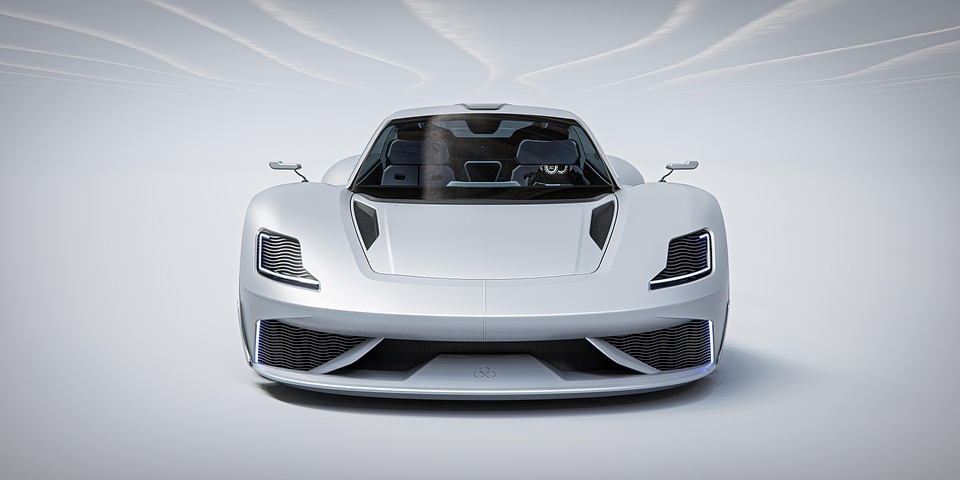
Volvo has long been known for its commitment to safety and innovation in the automotive industry. Now, the Swedish car manufacturer is taking its dedication to the next level with its pledge to produce only electric vehicles by 2030. As part of this ambitious plan, Volvo has announced that its 2024 model will be fully electric, marking a significant milestone in the company’s sustainability journey.
This decision by Volvo is not only a reflection of the growing global demand for electric cars but also a testament to the brand’s commitment to reducing its carbon footprint. By transitioning to electric vehicles, Volvo aims to lead the way in creating a more sustainable future for the automotive industry and the planet.
One of the key benefits of electric cars is their lower environmental impact compared to traditional gasoline-powered vehicles. Electric cars produce zero tailpipe emissions, helping to reduce air pollution and combat climate change. With the world increasingly focusing on reducing greenhouse gas emissions, the shift towards electric vehicles is crucial.
Volvo’s commitment to electric cars is not just limited to its 2024 model; the company plans to offer a fully electric version of every model it sells by 2030. This bold move sets Volvo apart from its competitors and reinforces its position as a leader in sustainability. By providing customers with a wide range of electric options, Volvo aims to make sustainable mobility accessible to all.
In addition to reducing emissions, Volvo is also dedicated to improving the charging infrastructure for electric vehicles. The company is working on expanding its network of charging stations globally, making it easier for customers to charge their cars conveniently. By addressing the concerns around charging infrastructure, Volvo is removing one of the barriers to widespread electric vehicle adoption.
Furthermore, Volvo is committed to ensuring the sustainability of its entire supply chain. The company aims to achieve a climate-neutral manufacturing process by 2025, meaning that every aspect of the production process will be powered by renewable energy or offset through carbon capture. This holistic approach to sustainability sets Volvo apart and demonstrates its commitment to creating a greener future.
Volvo’s commitment to electric cars is not just about reducing emissions; it is about creating a better, more sustainable future for all. By embracing electric mobility and investing in a greener infrastructure, Volvo is paving the way for a more sustainable automotive industry. With its 2024 model set to be fully electric, Volvo is proving that sustainability and innovation can go hand in hand.
As Volvo continues to elevate sustainability in the automotive industry, other manufacturers are sure to follow suit. The shift towards electric vehicles is no longer a niche trend but a necessary step in mitigating climate change and preserving the planet for future generations. Volvo’s commitment to producing only electric cars by 2030 is an inspiring example for other companies to follow, demonstrating that sustainability is not just a buzzword but a core value that should be embraced by all.