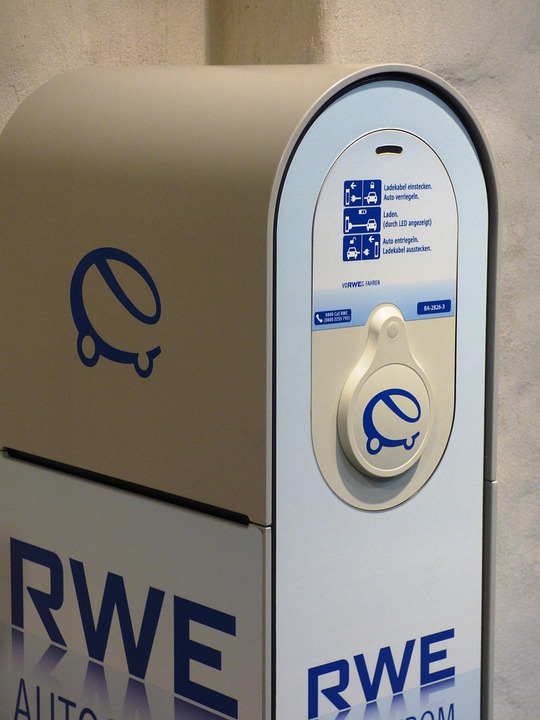
Electric vehicles (EVs) have gained significant popularity in recent years due to their eco-friendly nature and impressive performance. With the increasing adoption of EVs, the need for an efficient and reliable electric car charging infrastructure has become paramount. However, there are several challenges that need to be addressed in order to ensure a smooth transition to electric mobility.
One of the main challenges in electric car charging infrastructure is the limited availability of charging stations. Unlike traditional gas stations, charging stations for EVs are relatively scarce. This can pose a significant inconvenience for EV owners, as they may have to travel long distances to find a charging station. To tackle this issue, governments and private companies need to invest in the development of a robust charging infrastructure. This includes installing more charging stations in urban areas, highways, and public parking areas to ensure easy accessibility for EV owners.
Another challenge is the time taken to charge an electric vehicle. Unlike refueling a conventional car, charging an EV can take a considerable amount of time. This can be a major deterrent for potential EV buyers who are concerned about the inconvenience of waiting for their vehicle to charge. To address this issue, fast-charging technologies need to be implemented. Fast chargers can charge an EV in a significantly shorter time compared to traditional chargers. This will not only improve the user experience but also encourage more people to switch to electric vehicles.
Interoperability is also a crucial challenge in electric car charging infrastructure. Currently, there are multiple charging networks with different charging standards and payment systems. This can make it difficult for EV owners to find a compatible charging station and make seamless payments. To solve this problem, there needs to be a standardized charging protocol that is universally accepted. This would enable EV users to charge their vehicles at any charging station without any compatibility issues. Additionally, a standardized payment system should be established to simplify the payment process and make it more user-friendly.
Furthermore, the capacity of the electricity grid is another challenge that needs to be addressed. As the number of EVs on the road increases, the demand for electricity will also rise significantly. This can put immense pressure on the existing grid infrastructure and lead to power outages. To overcome this challenge, smart charging solutions can be implemented. These solutions allow for the optimization of charging schedules, ensuring that EVs are charged during off-peak hours when the demand for electricity is relatively low. This helps to balance the load on the grid and prevents any strain on the system.
In conclusion, the development of an efficient and reliable electric car charging infrastructure is crucial for the widespread adoption of electric vehicles. While there are challenges to overcome, such as limited availability of charging stations, long charging times, interoperability issues, and strain on the electricity grid, there are feasible solutions to tackle these challenges. With the right investments, advancements in technology, and collaboration between stakeholders, the future of electric car charging infrastructure looks promising.