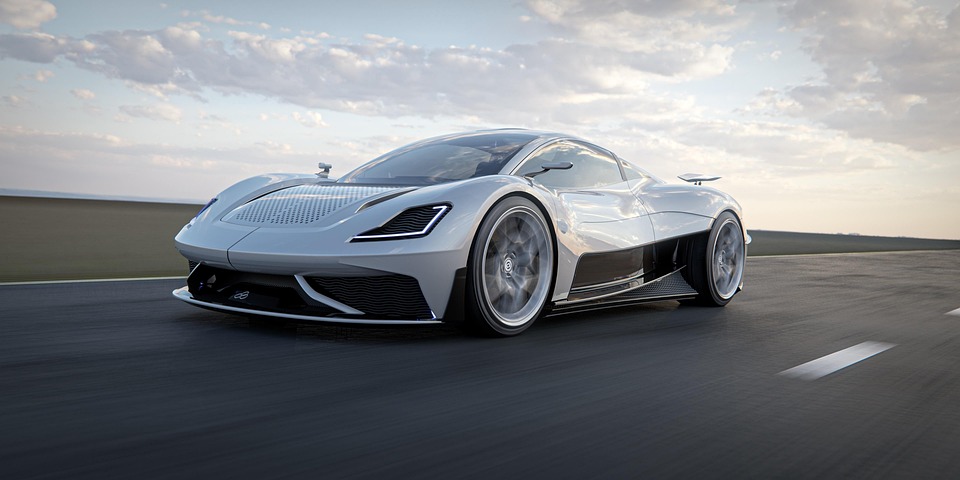
Mercedes-Benz is a name synonymous with luxury, elegance, and innovation. From its humble beginnings as a classic car manufacturer to its foray into the electric vehicle market, the brand has consistently evolved and adapted to the changing needs and demands of its customers.
The story of Mercedes-Benz dates back to the late 19th century when two visionary engineers, Gottlieb Daimler and Carl Benz, independently developed the first gasoline-powered automobiles. While Daimler focused on creating a lightweight and high-speed engine, Benz focused on building a reliable and practical vehicle. These two pioneers laid the foundation for what would eventually become one of the most iconic automotive brands in the world.
In the early years, Mercedes-Benz cars were renowned for their exceptional engineering, superior performance, and stylish design. The brand quickly gained a reputation for producing vehicles that combined elegance with cutting-edge technology. From the legendary 300SL Gullwing to the timeless S-Class sedans, Mercedes-Benz cars became a symbol of status and refinement.
However, as the world started to recognize the need for sustainable transportation, Mercedes-Benz realized the importance of embracing electric mobility. In 2009, the brand introduced its first fully electric vehicle, the Mercedes-Benz SLS AMG Electric Drive. This groundbreaking car demonstrated that electric vehicles could not only be eco-friendly but also offer exhilarating performance.
Since then, Mercedes-Benz has continued to invest heavily in electric vehicle technology. The brand’s electric vehicle lineup, known as EQ, encompasses a range of models, including sedans, SUVs, and even a luxury electric van. These vehicles feature state-of-the-art battery technology, impressive electric range, and advanced connectivity features.
One of the standout models in the EQ lineup is the EQS, a luxury electric sedan that represents the future of Mercedes-Benz. With its sleek design, spacious interior, and cutting-edge technology, the EQS highlights the brand’s commitment to creating electric vehicles that are not only environmentally friendly but also offer the utmost in luxury and comfort.
But Mercedes-Benz’s electric ambitions go beyond just passenger cars. The brand has also made significant strides in the electric commercial vehicle sector. The Mercedes-Benz eSprinter, for example, is an all-electric version of the popular Sprinter van, offering businesses a sustainable and efficient transportation solution.
In addition to electric vehicles, Mercedes-Benz has also embraced hybrid technology. The brand’s plug-in hybrid models combine the best of both worlds, offering electric driving capabilities for short journeys while providing the flexibility of a combustion engine for longer trips.
As the automotive industry continues to evolve, Mercedes-Benz remains at the forefront of innovation. The brand’s commitment to electric mobility is evident in its ambitious goals, such as becoming carbon-neutral by 2039. With a combination of electric and hybrid vehicles, Mercedes-Benz aims to provide its customers with a wide range of sustainable mobility options without compromising on luxury, performance, or style.
In conclusion, the evolution of the Mercedes-Benz brand from classic cars to electric vehicles is a testament to its adaptability and commitment to staying ahead of the curve. As the automotive industry transitions towards a more sustainable future, Mercedes-Benz is well-positioned to lead the way with its iconic blend of luxury, elegance, and electric innovation.