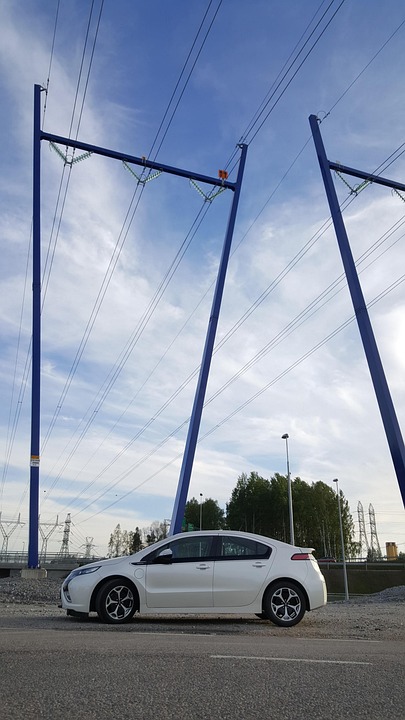
As the popularity of electric vehicles (EVs) continues to rise, the need for a robust charging infrastructure becomes increasingly important. One of the key challenges for EV owners is finding and accessing charging stations conveniently. This is where electric car charging station networks and providers come into play, offering a seamless experience for EV drivers. In this article, we will explore how to navigate these networks and providers to make charging your electric car a hassle-free experience.
First and foremost, it is crucial to understand the different types of charging stations available. There are three main levels of charging: Level 1, Level 2, and Level 3 (also known as DC fast charging). Level 1 chargers use a standard 120-volt household outlet and provide the slowest charging rate, usually adding around 4 to 5 miles of range per hour. Level 2 chargers, on the other hand, require a 240-volt outlet and can add around 25 to 30 miles of range per hour. Finally, Level 3 chargers are the fastest, capable of adding up to 80 miles of range in just 20 minutes.
Now that you understand the different charging levels, let’s dive into the world of charging station networks and providers. These networks act as intermediaries between EV owners and charging station operators. They provide access to a wide range of charging stations, often through a membership or payment system. Some popular charging station networks include ChargePoint, EVgo, Electrify America, and Tesla Supercharger.
To get started, you will need to sign up for an account with your chosen charging station network. This can usually be done through their website or smartphone app. Once you have created an account, you will be able to locate and access charging stations within the network’s infrastructure.
These charging station networks offer various features and services, such as real-time availability information, reservation options, and even rewards programs. For example, ChargePoint allows users to see the availability of charging stations, make reservations, and even earn points that can be redeemed for charging credits. Similarly, Tesla Supercharger network offers exclusive access to Tesla owners and provides high-speed charging for their vehicles.
When using a charging station network, it is also important to familiarize yourself with their payment options. Many networks offer pay-per-use options, where you can pay for each charging session individually. Others offer subscription plans, where you pay a monthly fee for unlimited access to their charging stations. Some networks also provide RFID cards or key fobs for easy authentication and payment.
In addition to charging station networks, there are also independent charging station providers that operate their own networks. These providers may have partnerships with specific car manufacturers or offer unique features that differentiate them from other networks. For example, EVgo has partnerships with Nissan and General Motors, providing special benefits to owners of their electric vehicles.
To find charging stations conveniently, you can use various online tools and smartphone apps. These tools allow you to search for charging stations based on your location, filter by charging level, and even see real-time availability. Some popular tools include PlugShare, ChargeHub, and the smartphone apps provided by charging station networks themselves.
In conclusion, navigating the network of electric car charging stations and providers is essential for a seamless and stress-free charging experience. By understanding the different charging levels, signing up for a charging station network, and utilizing online tools and smartphone apps, you can easily locate and access charging stations wherever you go. As electric vehicle adoption continues to grow, the charging infrastructure will undoubtedly expand, making it even more convenient for EV owners to charge their vehicles and contribute to a sustainable future.