Overcoming Range Anxiety: How EV Chargers and Battery Technology are Transforming Long-Distance Travel
Electric vehicles (EVs) have come a long way in recent years, with advancements in battery technology and charging infrastructure making long-distance travel more accessible and convenient. However, one concern that still lingers in the minds of potential EV owners is range anxiety – the fear of running out of power before reaching their destination. Fortunately, with the increasing availability of EV chargers and continuous improvements in battery technology, range anxiety is becoming a thing of the past.
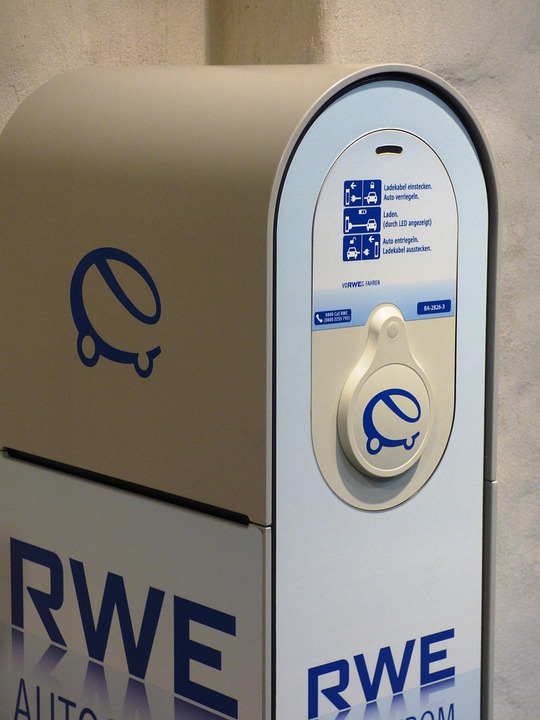
EV chargers have become a common sight in many cities and towns, with both public and private charging stations popping up across the globe. These chargers come in different types, including Level 1, Level 2, and Level 3 (also known as DC fast chargers), each providing varying charging speeds. Level 1 chargers, which typically come with the vehicle and can be plugged into a regular household outlet, offer the slowest charging speed but are suitable for overnight charging. Level 2 chargers, found in homes and public spaces, provide faster charging speeds and can fully charge an EV in a few hours. Level 3 chargers, usually located along major highways and at rest stops, offer rapid charging, providing a significant boost to the vehicle’s battery in a short time.
The increasing number of charging stations means EV owners can confidently plan long-distance trips, knowing they will have access to chargers along their route. Electric vehicle service providers, such as Tesla’s Supercharger network, have strategically placed chargers at convenient locations, allowing drivers to reach their destinations without worrying about running out of power. These charging networks are continuously expanding, providing more coverage and ensuring that EV owners have peace of mind while embarking on long journeys.
Apart from the growing charging infrastructure, battery technology has also made significant strides in recent years. Modern EVs are equipped with more efficient and higher-capacity batteries, allowing them to travel longer distances on a single charge. With ranges of over 300 miles becoming increasingly common, the anxiety of running out of power is greatly reduced. Additionally, advancements in battery management systems have made it easier for drivers to accurately estimate the remaining range, taking into account factors such as driving style, weather conditions, and terrain.
The integration of regenerative braking technology in EVs has also contributed to overcoming range anxiety. Regenerative braking allows the vehicle to recover and store energy that is typically lost during braking. This energy is then used to recharge the battery, increasing the overall range of the vehicle. By harnessing this wasted energy, EVs are more efficient and can travel further without relying solely on external charging sources.
Furthermore, researchers and scientists are continuously working to improve battery technology, aiming to develop batteries that offer even greater energy density, faster charging times, and longer lifespans. Solid-state batteries, for example, are being touted as the next big breakthrough in EV battery technology. These batteries use solid electrolytes instead of liquid ones, offering higher energy density and improved safety. Once commercially viable, they will significantly enhance the range and charging capabilities of EVs, further reducing range anxiety.
In conclusion, the combination of an expanding charging infrastructure and advancements in battery technology has made long-distance travel in electric vehicles more practical and accessible. EV owners can now embark on road trips with confidence, knowing that they will have access to charging stations along their route. With continuous improvements in battery technology, the range of EVs is increasing, further reducing range anxiety. As the world moves towards a greener future, the transformation of long-distance travel through EV chargers and battery technology is a significant step in making electric vehicles a viable option for all.