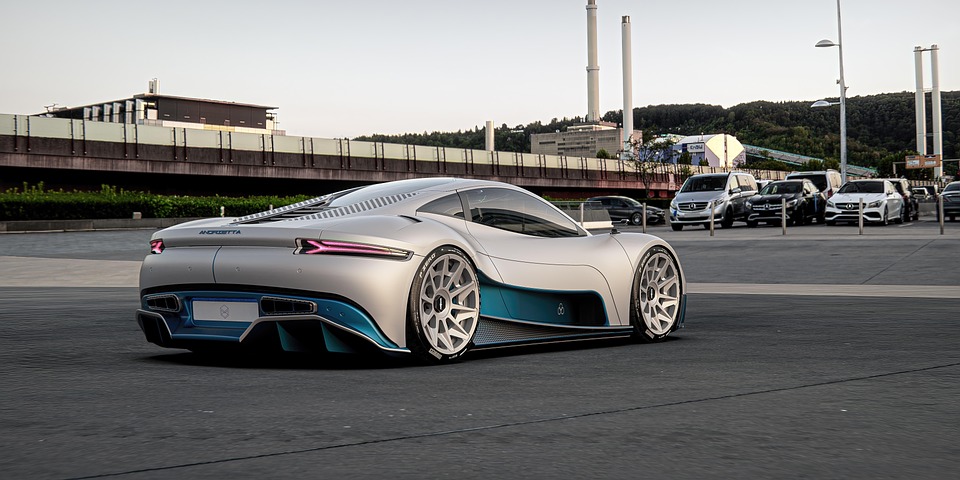
Sustainable Innovation: Exploring the Features of VW’s Electric Vehicles
In recent years, sustainability has become a key focus for many industries, including the automotive sector. As concerns about climate change and environmental impact grow, more and more companies are investing in sustainable innovations to reduce their carbon footprint. One company that has been at the forefront of this movement is Volkswagen (VW), with its line of electric vehicles (EVs). Let’s take a closer look at the features of VW’s electric vehicles and how they contribute to sustainable innovation.
1. Electric Powertrain: One of the most important features of VW’s electric vehicles is their electric powertrain. Unlike traditional internal combustion engine vehicles, EVs run on electric motors powered by rechargeable batteries. This eliminates the need for fossil fuels and significantly reduces greenhouse gas emissions, making them much more environmentally friendly.
2. Long Range: One common concern about electric vehicles is their limited range. However, VW has made significant strides in this area with its latest EV models. For example, the VW ID.4, an all-electric SUV, has a range of up to 250 miles on a single charge. This is comparable to many gasoline-powered vehicles and helps alleviate range anxiety, making EVs a more viable option for daily use.
3. Fast Charging: To further enhance the convenience of electric vehicles, VW has also invested in fast-charging infrastructure. The company’s ID.4, for instance, supports DC fast charging, allowing drivers to charge up to 60 miles of range in just 10 minutes. This rapid charging capability makes long-distance travel more feasible and reduces charging time, addressing one of the main barriers to wider EV adoption.
4. Sustainable Materials: In addition to their electric powertrain, VW’s electric vehicles also incorporate sustainable materials. The company has committed to using renewable and recyclable materials in its EVs, including natural fibers, bio-based plastics, and recycled materials. This reduces the environmental impact of vehicle production and promotes a circular economy.
5. Connected Features: VW’s electric vehicles are also equipped with a range of connected features that enhance their sustainability. For example, the ID.4 comes with a built-in navigation system that calculates the most efficient route, taking into account factors such as traffic, charging stations, and topography. This optimization helps drivers maximize their electric range and minimize energy consumption.
6. Vehicle-to-Grid Integration: Another innovative feature of VW’s electric vehicles is their ability to integrate with the power grid. This means that when the vehicle is parked and connected to a charging station, it can not only charge its battery but also supply electricity back to the grid if needed. This vehicle-to-grid integration enables a more efficient use of renewable energy sources and supports the stability of the power grid.
7. Vehicle-to-Vehicle Communication: VW is also exploring the potential of vehicle-to-vehicle communication in its electric vehicles. This technology allows EVs to communicate with each other and share information about traffic conditions, charging station availability, and more. By facilitating smarter and more efficient transportation, vehicle-to-vehicle communication can reduce congestion and further enhance the sustainability of electric mobility.
Volkswagen’s electric vehicles showcase the company’s dedication to sustainable innovation. By combining electric powertrains, long-range capabilities, fast charging infrastructure, sustainable materials, connected features, and advanced communication technologies, VW is leading the way in creating a more sustainable future for the automotive industry. As electric vehicles become increasingly popular, it is crucial for companies to invest in sustainable innovations to reduce their environmental impact and contribute to a greener future.