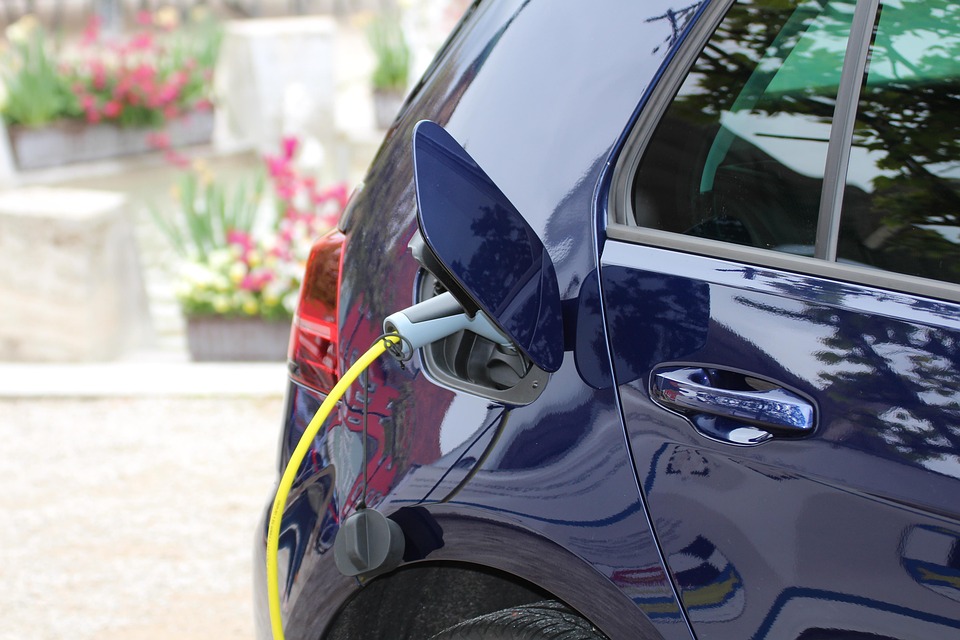
The automotive industry has undergone several transformations over the past century, from the introduction of the Model T to the rise of electric vehicles. However, the future of transportation seems to be shifting towards a new and exciting technology: hydrogen-powered cars. These vehicles have the potential to revolutionize the industry, offering a clean and sustainable alternative to traditional gasoline-powered cars.
Hydrogen-powered cars, also known as fuel cell vehicles (FCVs), use hydrogen gas as a fuel source to power an electric motor. The hydrogen gas is stored in high-pressure tanks, and when it combines with oxygen in the fuel cell, it produces electricity, which then powers the vehicle. The only byproduct of this process is water vapor, making hydrogen-powered cars emission-free and environmentally friendly.
One of the biggest advantages of hydrogen-powered cars is their long driving range. Unlike electric vehicles, which need to be recharged after a certain distance, hydrogen-powered cars can travel up to 300 miles on a single tank. This makes them suitable for long-distance travel and eliminates the range anxiety that is often associated with electric vehicles.
Moreover, the refueling process for hydrogen-powered cars is quick and easy. It takes just a few minutes to fill a hydrogen tank, comparable to the time it takes to refuel a gasoline-powered car. This is a significant advantage over electric vehicles, which require hours to recharge their batteries. The quick refueling time makes hydrogen-powered cars a more practical choice for consumers who are used to the convenience of traditional gasoline-powered vehicles.
Another advantage of hydrogen-powered cars is their versatility. While electric vehicles require a network of charging stations to be widely adopted, hydrogen-powered cars can utilize existing infrastructure. Hydrogen fueling stations can be built alongside traditional gas stations, allowing for a smooth transition to this new technology without the need for extensive infrastructure upgrades.
Despite these advantages, there are still some challenges that need to be overcome for hydrogen-powered cars to become mainstream. One of the major hurdles is the lack of a widespread hydrogen fueling infrastructure. Currently, there are only a limited number of hydrogen fueling stations available, mainly in major cities. However, several countries, including Japan, Germany, and California, are investing heavily in the development of hydrogen fueling infrastructure to support the growing demand for hydrogen-powered cars.
Another challenge is the production and storage of hydrogen. Currently, most hydrogen is produced from natural gas, which is not a sustainable solution. However, there are efforts to produce hydrogen from renewable sources, such as solar or wind power, which would make hydrogen-powered cars even more environmentally friendly.
Despite these challenges, the future of transportation looks promising with the emergence of hydrogen-powered cars. They offer a clean and sustainable alternative to traditional gasoline-powered vehicles, with a long driving range and quick refueling time. With the development of a widespread hydrogen fueling infrastructure and the shift towards renewable hydrogen production, hydrogen-powered cars have the potential to revolutionize the automotive industry and pave the way for a greener and more sustainable future.